CLAYTON, GA, October 06, 2026 /24-7PressRelease/ — New research examining the long-term outcomes of wilderness therapy and residential treatment provides encouraging evidence that improvements made during intensive adolescent treatment can be sustained well beyond discharge.
Published in 2026, the longitudinal study examined outcomes for more than 1,000 adolescents who participated in wilderness therapy, residential treatment centers, and therapeutic boarding schools. Researchers assessed participants at admission and discharge, with follow-up data extending as far as 6.5 years for some participants.
The findings showed substantial improvements in emotional and behavioral functioning during treatment, with many scores moving from clinically significant levels of distress into the non-clinical range. Importantly, researchers found that these improvements were largely maintained following discharge.
The study also identified family functioning as an important factor associated with positive treatment outcomes. Adolescents who entered treatment with stronger family functioning demonstrated greater improvement across the health domains measured.
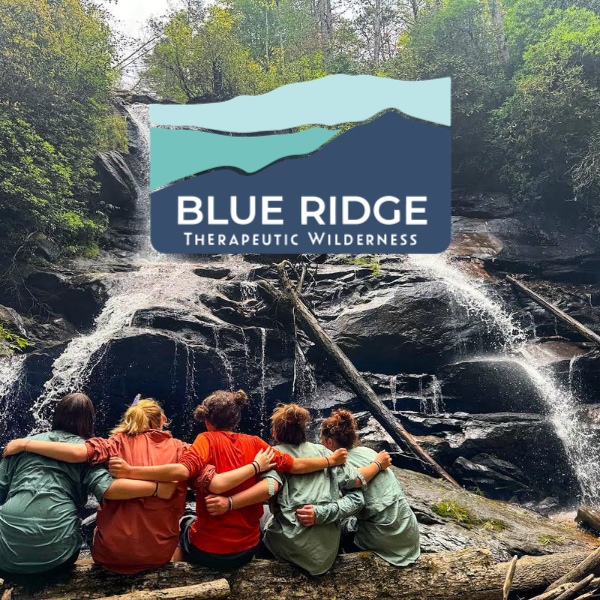
For Blue Ridge Therapeutic Wilderness, an outdoor therapeutic program serving adolescents and their families, the findings reinforce the importance of treating adolescent mental health within the context of the larger family system.
“Adolescents do not experience mental health challenges in isolation, and lasting change requires looking beyond the individual,” said Dan McDougal, owner and founder of Blue Ridge Therapeutic Wilderness. “When families are actively involved in treatment, they have an opportunity to understand patterns, strengthen communication, and develop new ways of supporting one another as their child prepares for what comes next.”
Family involvement is integrated throughout the treatment process at Blue Ridge. Parents and caregivers participate in regular communication with their child’s therapist, family programming, workshops, and opportunities designed to help families understand and practice new relational patterns.
The research also highlighted the importance of individualized treatment. Factors including age, gender, adoption status, academic functioning, diagnosis, and family functioning were associated with differences in adolescents’ presentation or outcomes. While adolescents may arrive in treatment with similar symptoms or behaviors, their histories, relationships, strengths, and developmental needs can create very different clinical pictures.
Blue Ridge uses an immersive, relationship-based outdoor environment to create opportunities for adolescents to practice skills in real time. Daily routines, group living, therapeutic relationships, experiential challenges, and time away from familiar patterns allow students to work on communication, emotional regulation, problem-solving, resilience, and interpersonal relationships alongside formal clinical treatment.
The researchers noted several limitations, including reliance on parent-reported outcomes and a sample drawn from private-pay programs. The findings therefore do not suggest that every adolescent will experience the same results or that wilderness therapy alone guarantees long-term improvement.
Instead, the study adds to the growing body of research examining what happens after adolescents leave intensive therapeutic programs and suggests that meaningful improvements achieved during treatment can persist for years.
For families considering a higher level of care, the findings also highlight the importance of looking beyond short-term symptom reduction and asking how a program involves families, individualizes treatment, measures progress, and prepares adolescents for life after discharge.
Research Reference
Bettmann, J. E., Martinez Gutierrez, N., Conley, K., & Mills, L. (2026). Longitudinal outcomes of adolescent wilderness therapy and residential treatment. Residential Treatment for Children & Youth.
About Blue Ridge Therapeutic Wilderness
Blue Ridge Therapeutic Wilderness is an outdoor therapeutic program serving adolescents ages 12–18 and their families. Through individualized clinical care, family programming, experiential learning, and a relationship-centered approach, Blue Ridge helps adolescents and families address emotional, behavioral, relational, and mental health challenges while building skills that support continued growth beyond treatment.
—
For the original version of this press release, please visit 24-7PressRelease.com here
Legal Disclaimer: The content on this page is syndicated from independent third-party providers. Kyrion Media makes no warranties or representations regarding the accuracy, completeness, legality, or reliability of the information, including text, images, videos, or licenses. If you are affiliated with this content or have any complaints, copyright concerns, or requests for removal, please contact us at [email protected] with the specific URL of the content in question. We will review and address valid requests promptly.